Many parents naturally want to give their children the best possible start in life. As children grow and develop, questions often arise about whether they are learning enough, whether they are being prepared for school and whether they are reaching important developmental milestones. In a world where academic achievement often receives a great deal of attention, it can be easy to overlook one of the most powerful learning tools available to young children: PLAY.
At KwetterBekkies Daycare & Campus, we believe that learning should be a joyful experience and that children learn best when they are actively engaged, curious and having fun. Play-based learning is not simply a way to keep children occupied during the day. It is a carefully considered educational approach that supports every aspect of a child’s development while helping them build the confidence and skills they need for future success.
Understanding play-based learning
Play-based learning is an approach to early childhood education that allows children to explore, discover and learn through meaningful experiences. Rather than relying solely on formal instruction, worksheets or memorisation, children are encouraged to interact with their environment, experiment with new ideas and develop an understanding of the world around them through play.
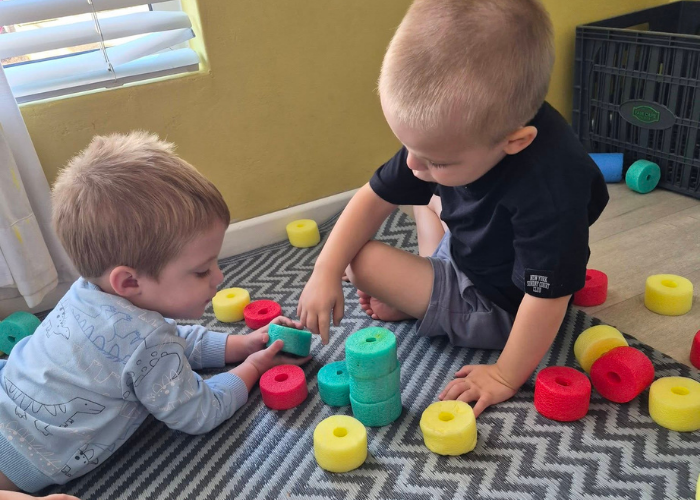
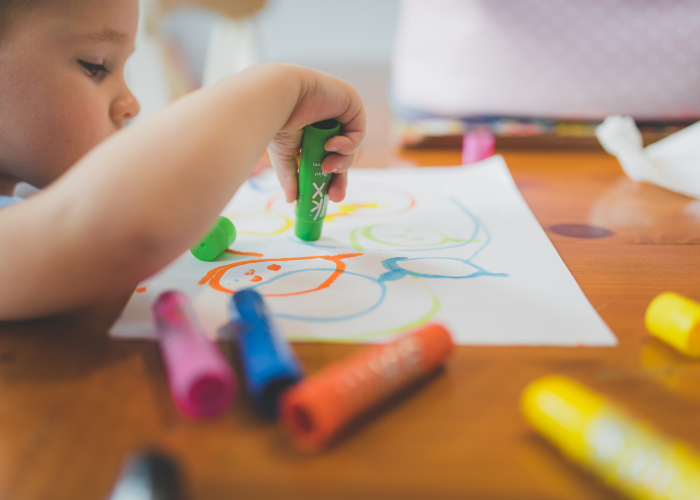
Every activity becomes an opportunity to learn. A child building a tower with blocks is developing problem-solving skills, spatial awareness and perseverance. Children engaged in imaginative play are learning language skills, social interaction and emotional regulation. Even simple activities such as drawing, painting or playing in a sandpit contribute to important developmental milestones. Through learning through play, children become active participants in their own education, which helps create a deeper and more meaningful understanding of new concepts.
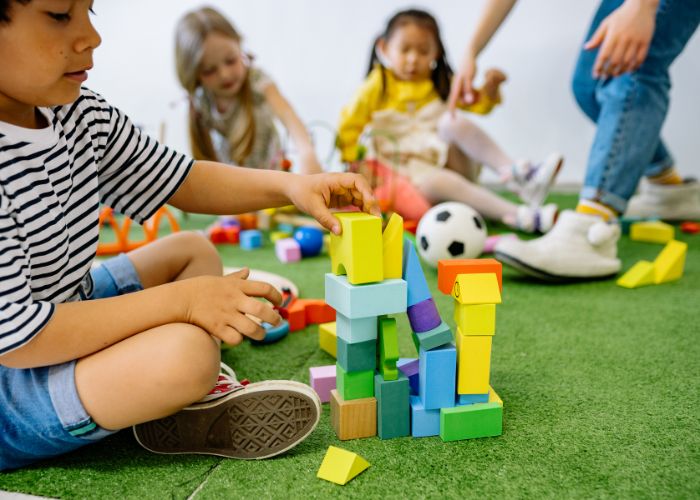
and independent thinking.
How play supports early childhood development?
The first few years of a child’s life are among the most important for brain development. During this period, children are continuously forming new connections as they learn from every interaction, experience and challenge they encounter. Play provides the ideal environment for this growth because it naturally engages multiple areas of development at the same time.
Cognitive development is strengthened as children solve problems, experiment with cause and effect and learn to think creatively.
Social development takes place as children learn to share, cooperate, negotiate and build friendships.
Emotional development is supported as children learn to manage disappointment, celebrate success and express their feelings in healthy ways.
Physical development also benefits through activities that strengthen both gross motor skills, such as running and climbing, and fine motor skills, such as drawing, cutting and manipulating small objects. This combination of developmental benefits makes play one of the most effective learning tools available during the early years.
Building school readiness through play
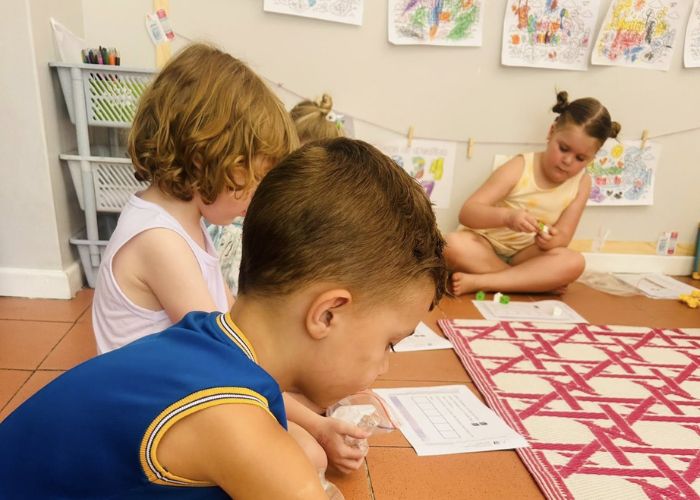
One of the biggest misconceptions among parents is that school readiness is primarily about learning to read, write and count before entering Grade R or Grade 1. While early literacy and numeracy skills are certainly important, true school readiness involves much more than academic knowledge. Children need to develop concentration, listening skills, emotional resilience, confidence, independence and the ability to interact positively with others.
Play-based learning provides countless opportunities for children to strengthen these essential skills in a natural and enjoyable way. When children participate in group activities, they learn how to take turns, follow instructions and work collaboratively. Creative play encourages communication and language development, while construction activities help build focus, patience and problem-solving abilities. These experiences create a strong foundation that allows children to approach formal learning with confidence and enthusiasm when they eventually enter the classroom.
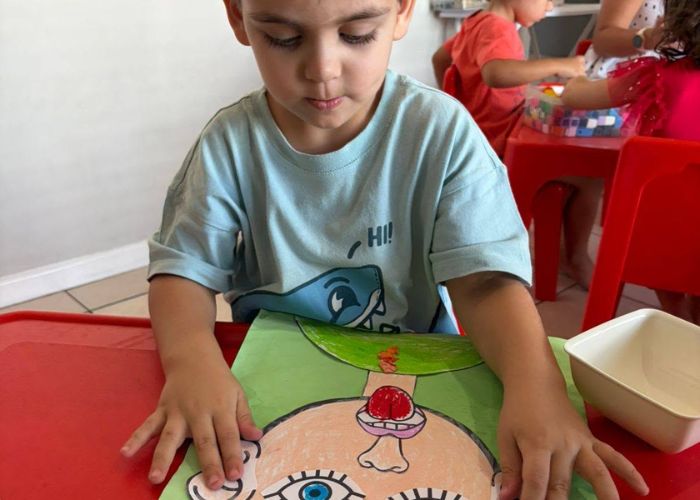
Grade 1 with confidence.
The role of play in language and communication development
Language development is one of the most important aspects of early childhood growth and play creates countless opportunities for children to expand their communication skills. Through storytelling, role play, singing songs and engaging in conversations with their peers, children naturally develop vocabulary, sentence structure and listening skills.
Imaginative play is particularly valuable because it encourages children to express ideas, ask questions and create stories. Whether they are pretending to run a shop, care for a baby doll or embark on a pirate adventure, children are constantly using language to make sense of the world around them. These everyday interactions help build the strong communication skills that are essential for both academic success and healthy social relationships later in life.
Why outdoor play is just as important?
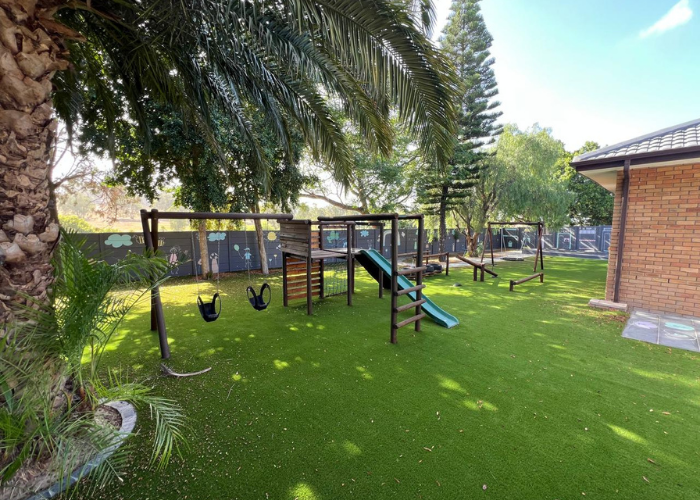
Outdoor play remains a vital part of childhood and provides developmental benefits that cannot always be replicated indoors. Time spent outside allows children to explore their environment, develop physical strength and improve coordination while satisfying their natural curiosity about the world around them.
Activities such as climbing, balancing, running and playing with balls contribute to gross motor development, while nature-based experiences encourage observation, creativity and problem-solving. Outdoor play also supports emotional wellbeing by reducing stress, improving mood and providing opportunities for children to engage in unstructured exploration. At KwetterBekkies, outdoor activities form an important part of each day because we recognise the valuable role they play in helping children grow physically, emotionally and socially.
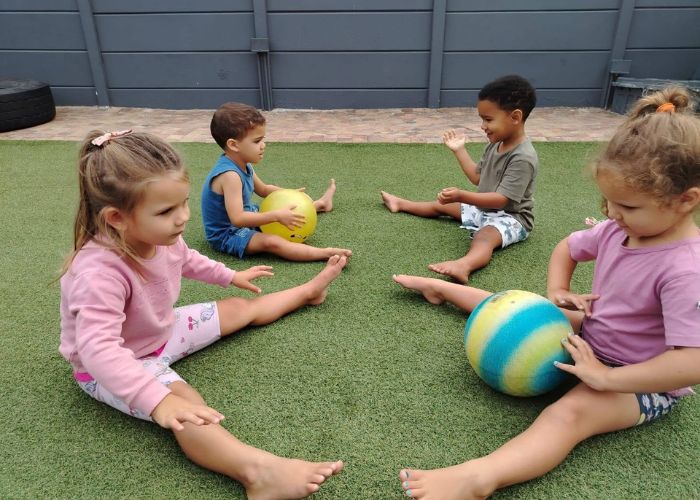
curiosity and social skills.
Why smaller class sizes enhance play-based learning?
A successful play-based learning environment depends on more than just the activities provided. The quality of teacher interaction plays an equally important role. Smaller class groups allow teachers to observe each child more closely, identify developmental needs and provide individual support when necessary.
Every child develops at their own pace and benefits from guidance that is tailored to their unique strengths and challenges. When teachers have the opportunity to build strong relationships with children, they can create meaningful learning experiences that encourage confidence, independence and a love of learning. This personalised approach is one of the reasons why smaller class sizes remain such an important part of the KwetterBekkies philosophy.
Creating opportunities for learning through play at home
Parents play an important role in supporting their child’s development outside of the classroom. Fortunately, play-based learning does not require expensive toys or elaborate activities. Everyday experiences often provide the richest learning opportunities.
Reading together, building with blocks, baking in the kitchen, exploring nature, drawing pictures or simply engaging in imaginative play all contribute to important developmental skills. Allowing children the freedom to ask questions, solve problems and explore their interests helps nurture curiosity and confidence while reinforcing the lessons they learn at school. By embracing play as a valuable learning tool, parents can actively support their child’s development in ways that feel natural and enjoyable.
Nurturing confident learners for the future
The benefits of play-based learning extend far beyond the early years. Children who are encouraged to learn through play often develop stronger problem-solving abilities, greater resilience, improved communication skills and a lifelong love of learning. These qualities help prepare them not only for Grade R and Grade 1 but also for future challenges both inside and outside the classroom.
At KwetterBekkies Daycare & Campus, we are passionate about creating a nurturing environment where children feel safe, supported and inspired to explore the world around them. Through purposeful play, meaningful relationships and individual attention, we help lay the foundation for confident, capable and happy learners.
If you would like to learn more about our approach to early childhood development or visit one of our schools in Uitzicht, Sonstraal Heights, Brackenfell or KwetterBekkies Campus, we would love to welcome you and your little one into our growing family.