Starting Grade 1 is one of the biggest milestones in a child’s life. For many parents, it brings a mixture of excitement, pride and a few understandable questions. Your child is moving from a play-based learning environment into a more structured school setting with new routines, greater independence and increased expectations.
It is natural to wonder whether your child is truly ready. Will they be able to concentrate in class? Will they make friends easily? Will they cope with the academic demands? The good news is that school readiness is about far more than recognising letters, numbers or colours. It is about the development of the whole child.
Every child develops at their own pace. Some children show signs of readiness early on, while others need a little more time to strengthen certain skills. Understanding what to look for can help parents make informed decisions and support their child with confidence.
What Does School Readiness Mean?
School readiness refers to a child’s ability to cope successfully with the social, emotional, physical and cognitive demands of formal schooling.
Many parents immediately think about academic skills such as counting, writing or recognising the alphabet. While these skills are certainly beneficial, they are only one part of the bigger picture.
A child who is ready for Grade 1 can generally:
- Follow instructions
- Participate in group activities
- Concentrate for an age-appropriate period
- Solve simple problems
- Communicate their needs effectively
- Show independence in everyday tasks
School readiness is therefore not about knowing everything before starting school. It is about being ready and willing to learn.
Why Are These Skills So Important for Grade 1?
In Grade 1, children begin formal reading, writing and mathematics instruction. Certain foundational skills are therefore essential to help them approach new learning with confidence.
Sound Recognition (Visual and Auditory) is extremely important because children learn to read and spell in Grade 1. They need to hear sounds, recognise them and connect them to the correct letters. When a child struggles to identify or distinguish sounds, reading development can become more challenging. Strong phonological awareness helps children sound out words, read with confidence and eventually spell correctly.
Number Recognition and Number Sense form the foundation of all future mathematics learning. In Grade 1, children are expected to recognise numbers, understand quantities, count, compare and complete simple calculations. When children understand the meaning behind numbers and not only recognise the symbols, they are able to grasp new mathematical concepts far more easily.
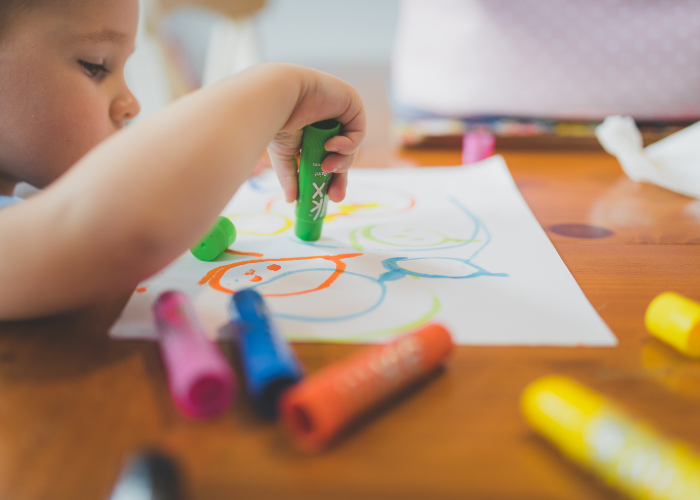
Fine Motor Skills are essential because children spend a large part of their day writing, colouring, cutting and completing classroom activities. A child with well-developed hand and finger muscles can hold a pencil with greater control, write for longer periods without becoming tired and form letters and numbers more accurately. When these skills are not yet sufficiently developed, the physical act of writing can require so much effort that it interferes with the learning process.
These skills do not only contribute to academic success but also play an important role in building confidence. When children have the necessary foundation in place, they feel more capable, participate more readily in classroom activities and experience the transition to Grade 1 as a positive and exciting step in their educational journey.
Can Your Child Cope with Formal Schooling?
Grade 1 introduces a very different routine from what most children experience in Grade R. The school day is more structured and children are expected to follow instructions, complete activities and take greater responsibility for themselves.
Children do not need to be perfect, but they should feel comfortable with basic routines and new challenges.
Consider the following questions:
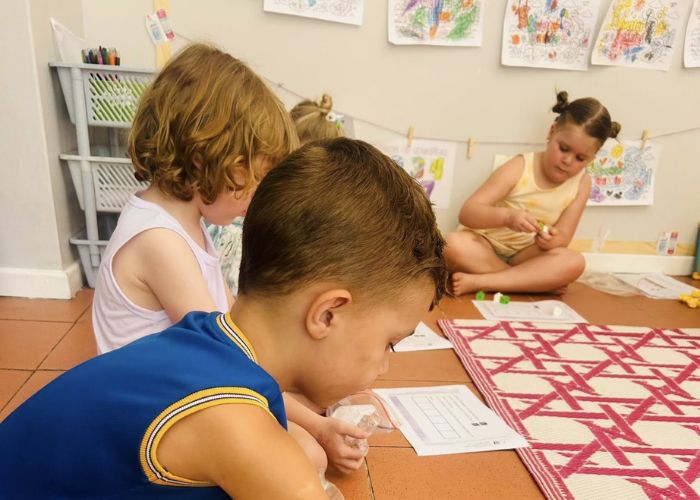
Can your child focus on an activity for a reasonable amount of time?
Can they listen when a teacher is speaking?
Can they complete simple tasks without constant assistance?
Can they recognise and take care of their own belongings?
Can they manage basic bathroom routines independently?
If the answer to most of these questions is yes, it is usually a positive sign that your child is developing the skills needed for Grade 1.
Emotional Readiness Matters Just as Much
One of the biggest changes children experience when they start Grade 1 is the emotional adjustment.
Children need to develop greater independence. They spend longer periods away from their parents and learn to manage challenges with the support of their teacher.
An emotionally ready child will generally:
- Separate from parents without significant distress
- Cope better with disappointment
- Show confidence when trying new things
- Express feelings using words
- Ask for help when needed
This does not mean they will never feel nervous or emotional. Every child experiences emotions differently. The goal is simply to build enough confidence to help them embrace new experiences.
Social Skills Build the Foundation for Success
School is about far more than academics. It is also where children build friendships, learn cooperation and become part of a wider community.
Social skills play an important role in school readiness.
Children who are ready for Grade 1 generally understand the basics of:
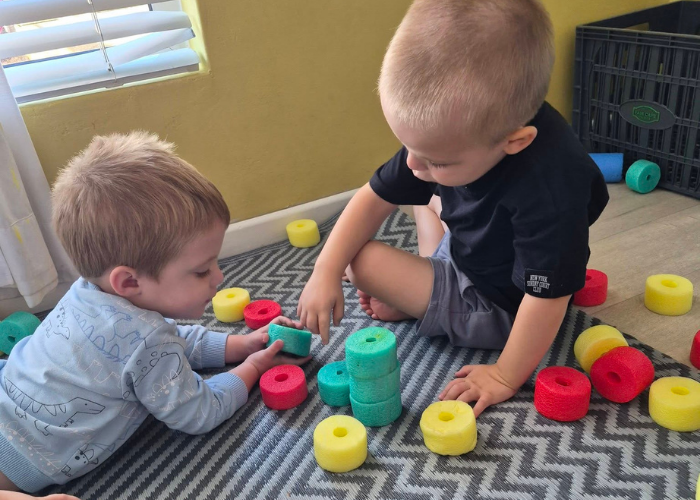
- Sharing and cooperating
- Taking turns
- Listening to others
- Following rules
- Showing respect for others
These skills develop naturally through play, group activities and everyday experiences. Every game, conversation and shared activity helps children learn valuable lessons about communication, teamwork and problem-solving.
Physical Development Plays an Important Role
When parents think about Grade 1, academics often come to mind first. However, physical development is equally important.
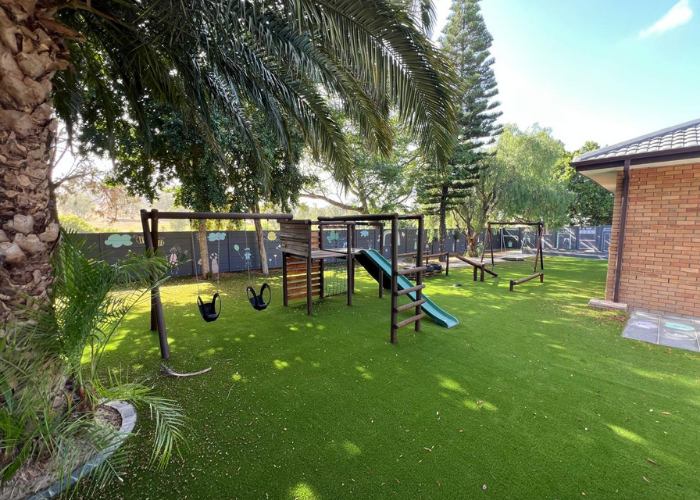
Fine motor skills help children hold pencils, cut with scissors, colour and write. Gross motor skills support balance, coordination and overall body control.
Activities such as:
- Climbing
- Ball games
- Colouring
- Puzzles
- Building blocks
- Playing with playdough
all contribute to physical development.
Children with strong physical skills often feel more confident when tackling new classroom tasks and activities.
Language and Communication Skills
Language development forms the foundation of learning.
Children starting Grade 1 do not need to be fluent readers, but they should be comfortable communicating, listening to stories and answering simple questions.
Strong language skills help children:
- Understand instructions
- Ask questions
- Express their thoughts
- Communicate with others
- Learn new concepts
Reading together remains one of the most valuable ways to support language development. Books expose children to new vocabulary, ideas and experiences that broaden their understanding of the world.
How Parents Can Prepare Their Child for Grade 1
Preparing for Grade 1 does not need to be complicated. Much of the most valuable development happens through everyday experiences.
Create consistent routines around bedtime, meals and mornings.
Read together regularly.
Encourage independence by giving your child simple responsibilities.
Allow plenty of time for creative and unstructured play.
Talk about their day, feelings and experiences.
Celebrate small achievements and build confidence through positive encouragement.
Children who feel safe, loved and supported are often better equipped to embrace new challenges and opportunities.
The Value of a Strong Grade RR and Grade R Foundation
The years before Grade 1 play a vital role in a child’s development.
A quality Grade RR and Grade R programme helps children develop the skills they need for the next stage of their educational journey.
At KwetterBekkies Daycare & Campus, we focus on developing the whole child. Academic readiness is important, but emotional wellbeing, social development, confidence and independence receive equal attention.
We believe children learn best when they feel safe, valued and encouraged to grow through play, discovery and positive experiences.
Why Do We Believe in Smaller Classes?
At KwetterBekkies, we believe that the Grade R year is one of the most important years in a child’s development. That is why we intentionally keep our classes smaller.
Many parents feel that larger classes prepare children better for Grade 1 because they become accustomed to functioning within a bigger group of learners. While there is certainly value in learning alongside a larger group, we believe the primary focus during Grade R should not be adapting to a bigger class, but rather developing the child as an individual.
Smaller classes allow us to truly get to know each child, their personality, strengths, challenges and unique way of learning. This creates opportunities for more focused support and helps ensure that no child goes unnoticed throughout the year.
Another significant advantage of smaller classes is the opportunity for regular one-on-one assessments. This allows us to monitor each child’s development more closely and identify areas where additional support may be needed. Early intervention often makes a meaningful difference in helping children grow with confidence and success.
We believe that children who develop a strong foundation during Grade R adjust far more easily to Grade 1. When fundamental skills, confidence and independence are already established, children can focus their energy on adapting to new routines, environments and expectations rather than trying to master foundational skills at the same time.
At KwetterBekkies, we do not view smaller classes as a luxury. We see them as an investment in every child’s individual development. Our goal is not only to prepare children for Grade 1 but to ensure that every child receives the strongest possible start to their educational journey.
Frequently Asked Questions
What age should my child be to start Grade 1?
Children generally start Grade 1 in the year they turn seven. Age alone does not determine readiness, however. Developmental milestones and emotional maturity are equally important considerations.
Does my child need to be able to read before starting Grade 1?
No. Children do not need to be fluent readers before entering Grade 1. Strong listening skills, language development and an interest in books are often more important than formal reading ability.
What if my child is still shy?
Many children are shy when entering a new environment. Shyness does not necessarily mean a child is not ready for Grade 1. With encouragement and support, most children develop confidence over time.
How long does it take children to adjust to Grade 1?
Every child is different. Some adjust within a few weeks, while others may need several months. Patience, support and open communication can make the transition much smoother.
What is the most important sign of school readiness?
There is no single sign. School readiness is usually a combination of emotional maturity, social skills, independence, language development and a willingness to learn.
A Wonderful New Chapter Begins
Starting Grade 1 is about more than moving to the next grade. It is the beginning of new friendships, exciting discoveries and valuable learning experiences that will help shape your child’s future.
Every child’s journey is unique, and it is important to respect their individual development. With the right support, encouragement and opportunities, children build the confidence they need to embrace this important milestone successfully.
At KwetterBekkies Daycare & Campus, we are proud to help children prepare for this exciting next step. If you would like to learn more about our Grade RR and Grade R programmes or arrange a visit to our Campus, we would love to hear from you. Together, we can help your child begin their Grade 1 journey with confidence, curiosity and a love for learning.